
Published 12 November 2025
Future of teaching
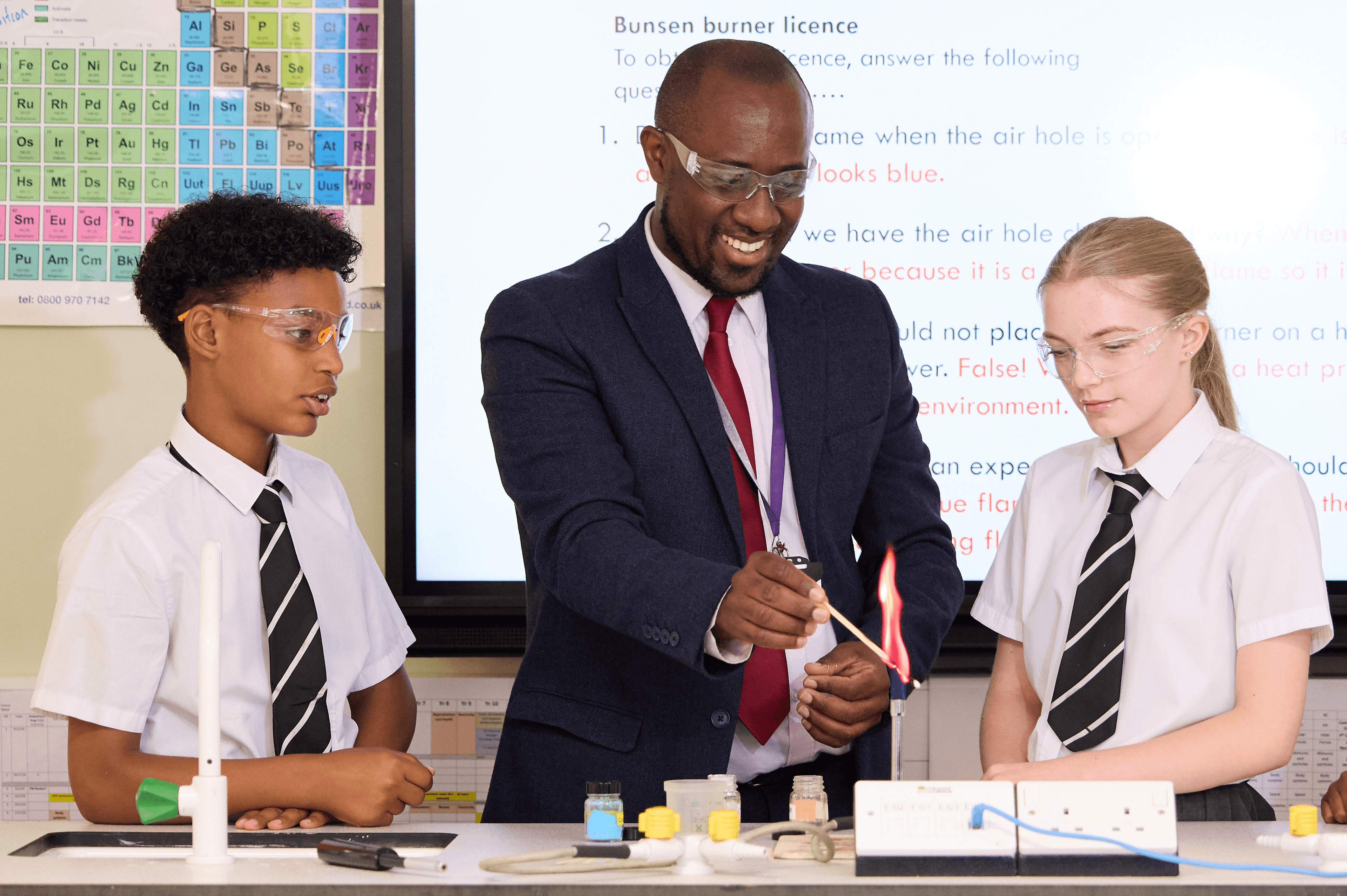
There is a cliche that, whilst everything has changed in how doctors do their jobs in the last 100 years, for teachers, it is much the same. Whilst this is unfair, there is truth in how little the curriculum and how we teach have altered, certainly in the last 50 years. But given how much change the world is living through right now, it is fair to ask whether we are at a tipping point for the future of teaching.
This Autumn, we will get the outcome from the curriculum and assessment review. This has been forged on the mantra of “evolution, not revolution”. Whilst we are likely to see more on “life skills”, on AI and media literacy and climate education, I suspect not much will significantly change.
However, we are also likely to get a Government AI-in-education plan, possibly as part of the Schools White Paper. We must also expect further action on sustaining a declining teaching workforce, but without extra money to buy our way out of the recruitment and retention crisis. The combination of not enough teachers, not enough money and transformative new AI technology could just tip us into innovation and change.
I hope the Government is successful in recruiting 6,500 more teachers. I hope these can be deployed in the places and subjects we most need. But my hope gives way to realism when it comes to having enough specialist teachers for subjects like maths and physics.
These are critically important subjects for the future of young people and our economy. Data is now a fundamental part of the working lives of most of us, and yet around half of working age adults in the UK do not have numeracy beyond the expected level for an eleven year old. This is too urgent to wait for enough good maths teachers to be trained.
It feels inevitable to me that we will therefore see more teachers using adaptive learning platforms like Century-Tech to supplement the classroom. These platforms allow children to receive good instruction, to take formative tests, and then be guided to learning that can fill the gaps in their knowledge and keep momentum in their learning. The platforms then feedback to teachers on where they need to intervene and are getting better and better at giving tracking information.
This use of AI platforms can only increase. I know of one school in the Middle East that uses them for one-third of teaching time. In this case, another third is taken up with remote teaching, so that teachers can work flexibly from home and teach small classes in less popular subjects.
This has to be part of the future if we are to retain teachers. They want what their university peers have got - working from home, flexible hours and manageable workloads. Better use of remote teaching in small classrooms, alongside a very human experience in school, can deliver that and feels like a probable part of the mix.
But the core of the experience of teaching and learning must remain a profoundly human-to-human experience. As our relationship with screens evolves, we increasingly crave the “live” experience. That is why live sports and music events are so popular (and expensive!).
School must also be predominantly live. A balanced curriculum will ensure the creative arts and sport are a rich part of schooling. Coincidentally, these subjects are harder for AI to disrupt.
All teachers will have access to ever more sophisticated data tools to better understand their learners and their practice. Planning and marking will be more efficient. Time will be released for a more rewarding human experience.
This is a good future for teaching. It is a future where technology is at our service and can both fill the gaps and ease the load.It needs to be delivered equitably and ethically, but I believe that we can and will do that. A good future for teaching is a good future for children and, thereby, for all of us.
Jim Knight is a former Government Minister and MP who now sits in the House of Lords, regularly speaking on education and technology policy. He chairs several education-focused organisations, including E-Act Multi-Academy Trust, the Council of British International Schools, Century-Tech, and STEMlearning. Jim also advises various education and tech bodies and is a director at Suklaa Ltd.

Let's start the conversation.
Edwin is already a trusted education partner for many schools and multi-academy trusts, so whether you're looking for practical support, fresh thinking or simply somewhere to share ideas with peers, we'd love to hear from you.